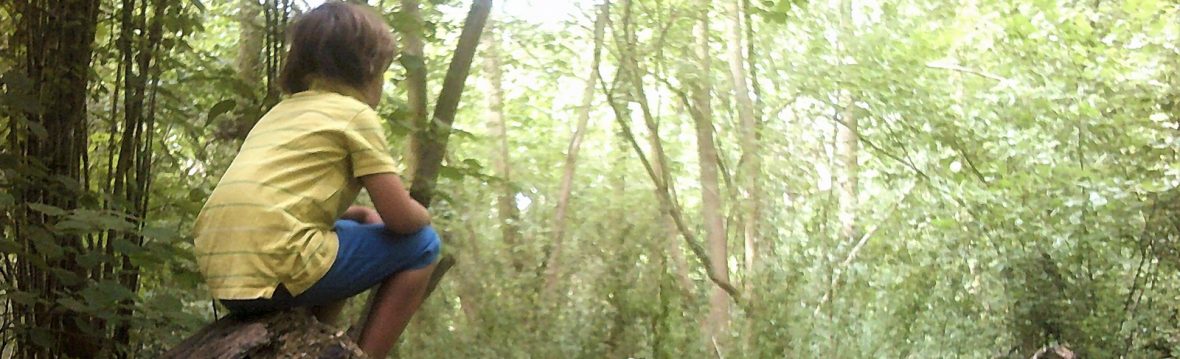

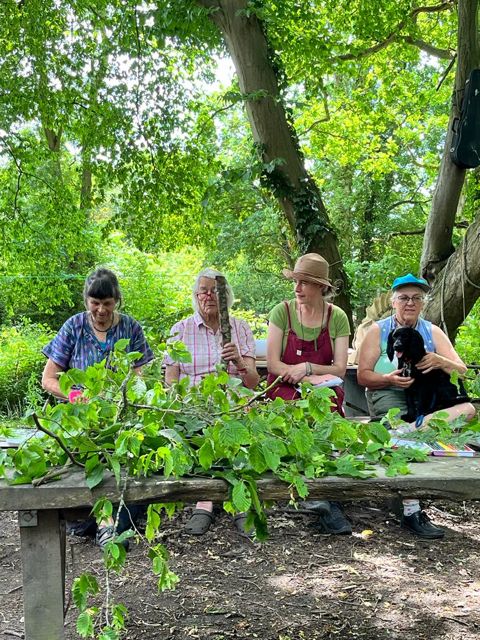
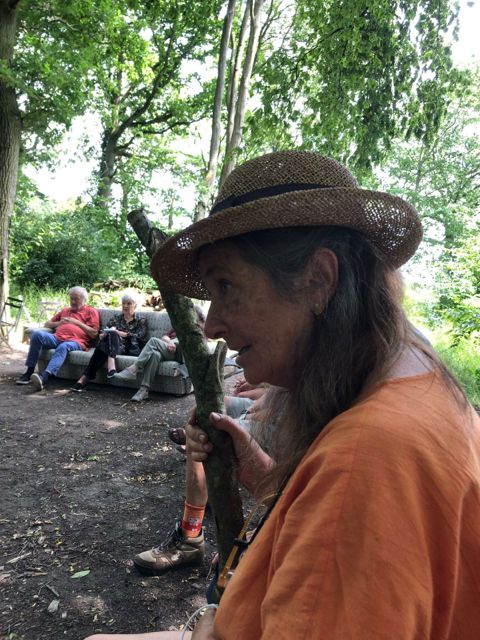
In the cool of the woods, after Leslie Lentil soup, we moved to the breeze under the Hornbeam, and spoke of those trees, which for a few of us, were our favourite tree.
- They remind me of elephants legs
- Strong wood, which made ships masts, may be Nelson’s Victory
- Used for testing old swords, they did not break
- The English word for tree is beam, the German Baum, similar
- In Reydon woods, hornbeams grown are used for fencing
- They are twisted,and may have influenced the Celtic knot pattern
- They live a long time
- They make good hedging
- Hornbeam and Hornpipe – are they connected
- Flesh is white like bone
- Kaliwoods is the first place I saw a hornbeam
- Naomi doing Tai chi under these very hornbeams
- Strong wood for turning, and used for cogs in Windmills and wheels for carriages.
- They can be coppiced and pollarded
- With Bach remedies, they are good for mental wellbeing
- Piano and Harpsichords are made of hornbeam
- Billiard cues
- In Hungarian the word means candle – the wood burns like a candle
Pippa read a poem by Ceiwen: Oh I become a lover of Hornbeam, it began. It’s reference to chaos and darkness may have come from Tolkien
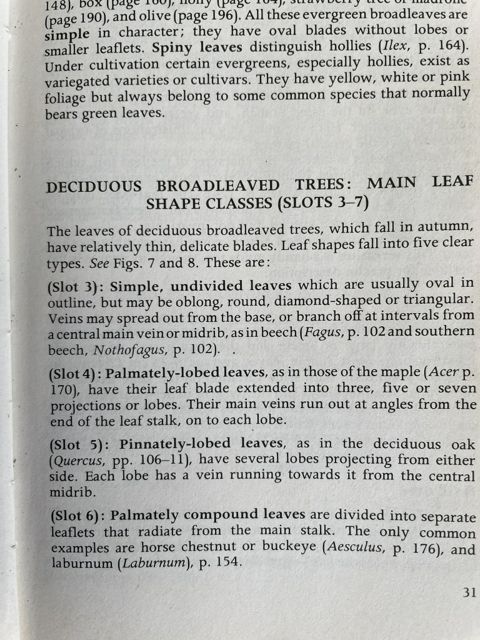
We compared and contrasted Hornbeam with Beech
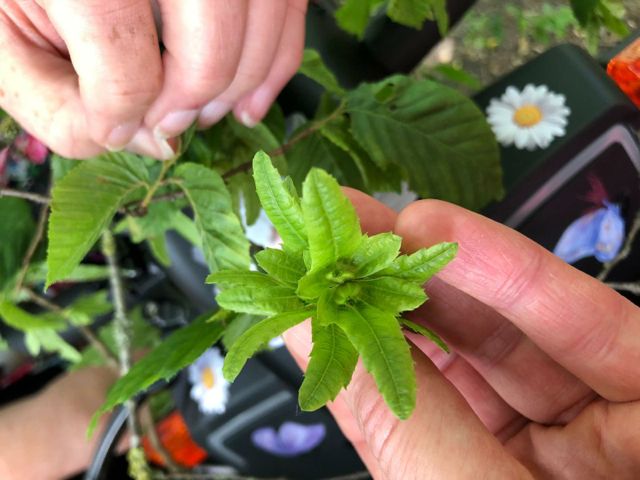
- Shape of leaf – pointed at the end
- Like an eye
- Serated
- Rough compared to beech smooth
- Pleated
- Bobbly
- The fruit are like pagoda’s
- Origami cranes
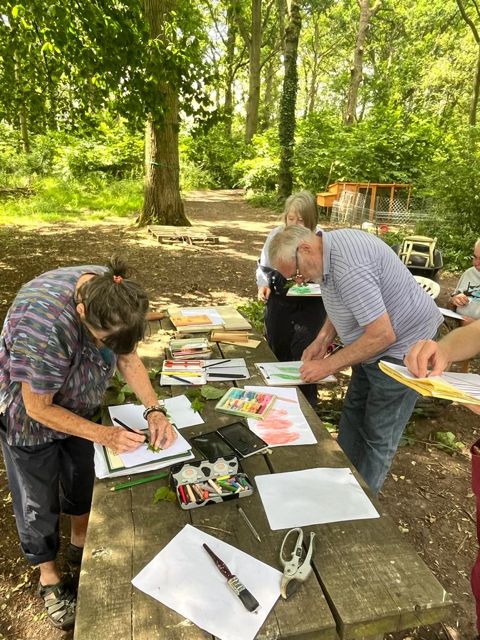
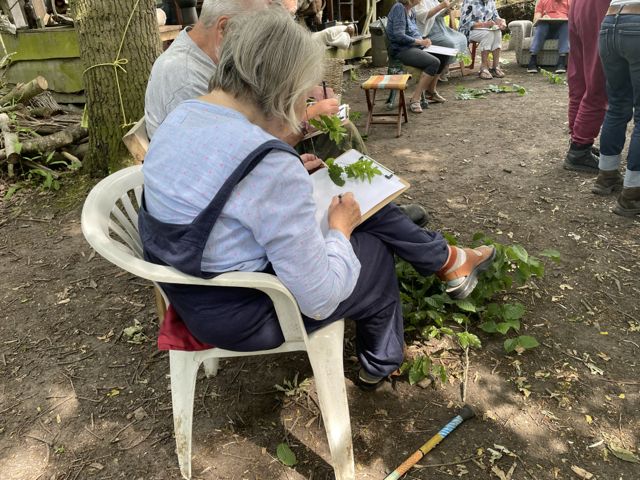
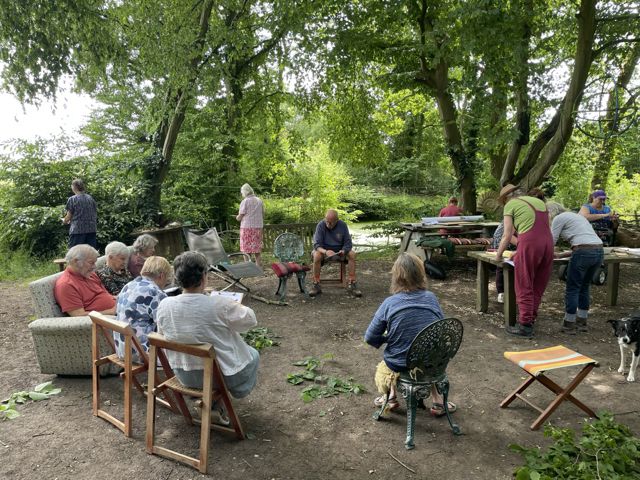
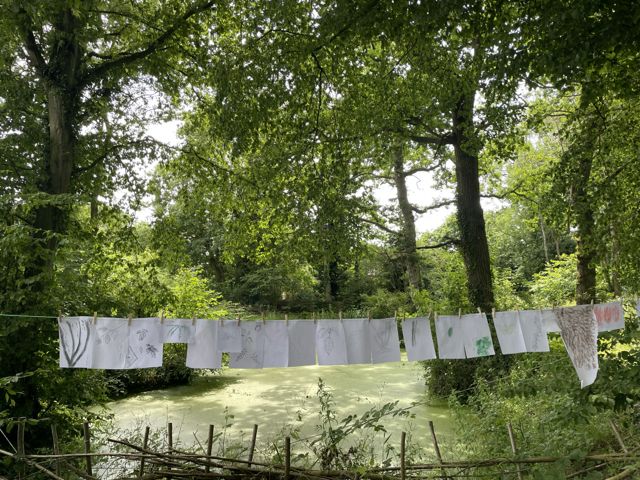
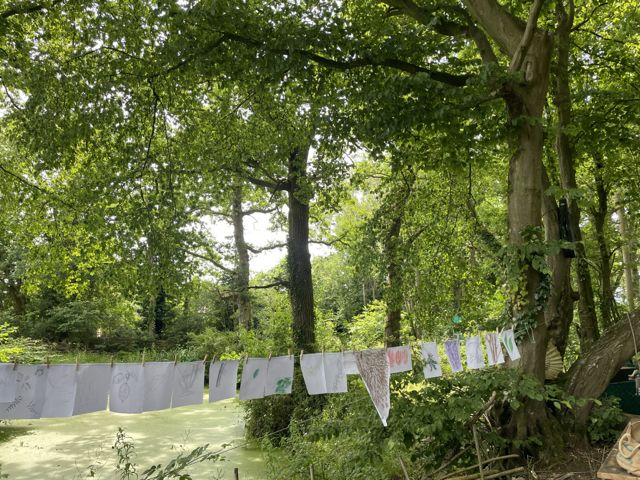
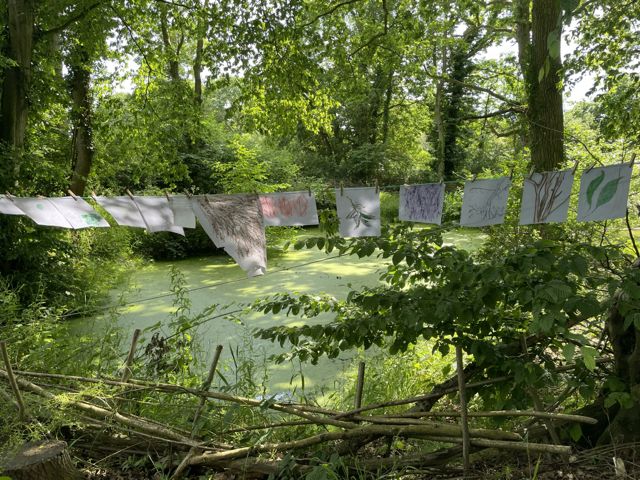
We drew our hornbeam – their leaf, their trunk of smooth elephant muscle bark
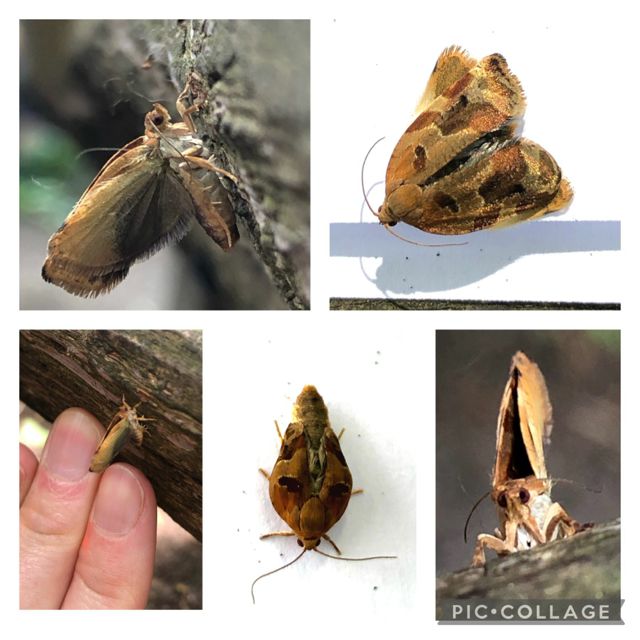
Led by Nickie we sang the song made up by Kally and Nicky, entitled the Hornbeam Caterpillar.
Under the hornbeams we tapped, ourselves and each other, tap tap tap
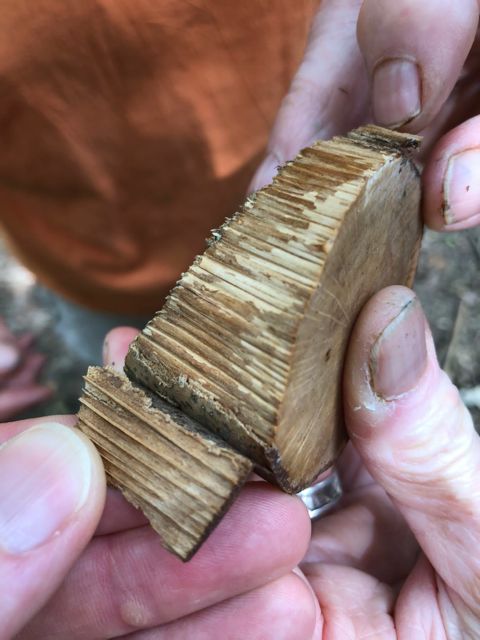
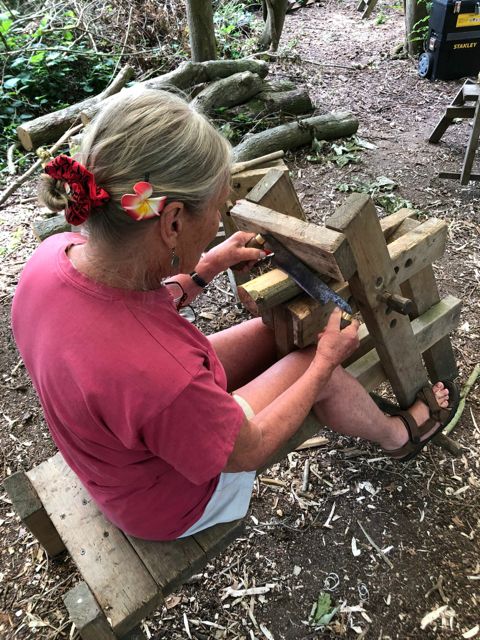
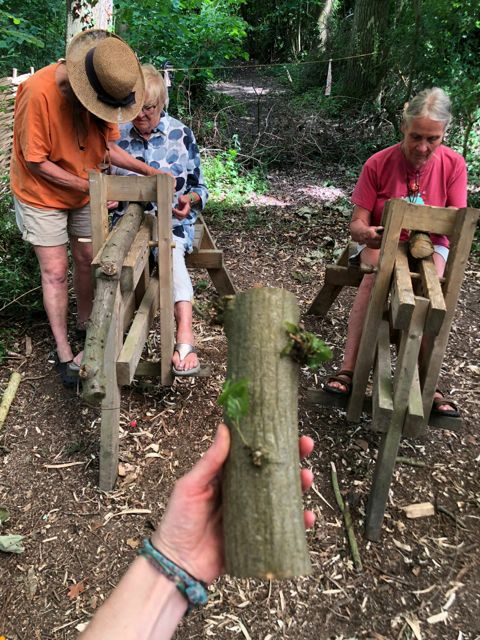
Back at the fire we felt the hardness of the hornbeam by trying to cut it, and some attempted a whittle.
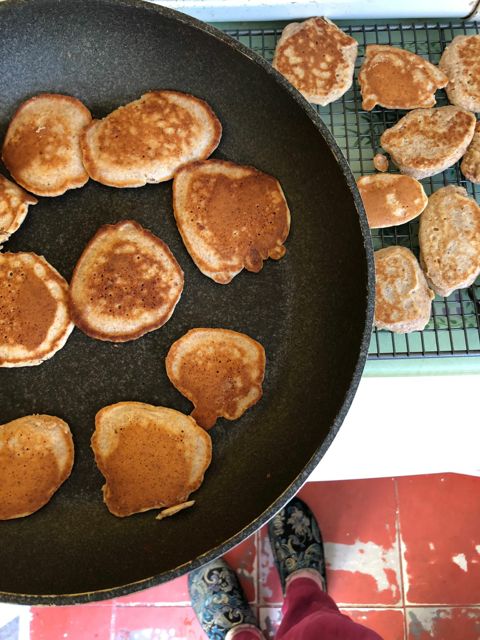
Ended with Delicious drop scones made with Kent cob nuts – thank you Kally.
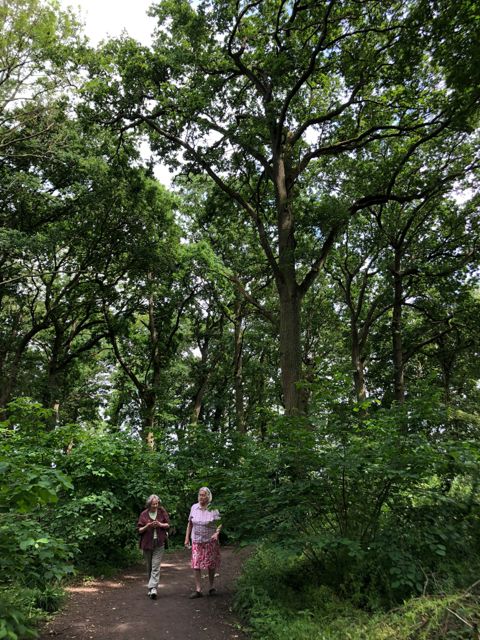
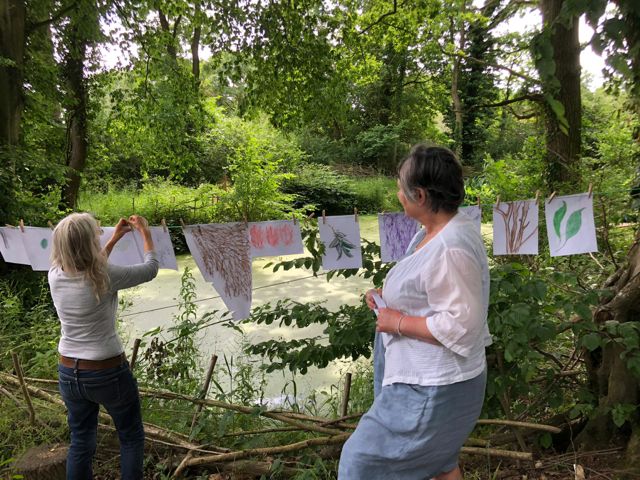
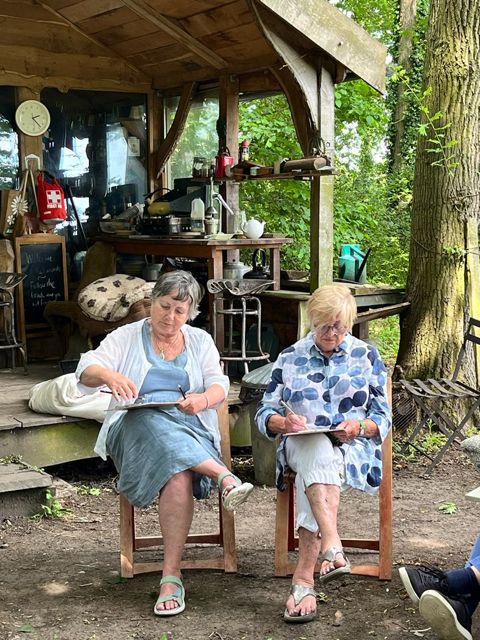








 Kinda Elders in the woods