We welcomed Andrew, who I’d met at last Septembers Climate Conference, and who came with knowldge of squash seeds and seed breading.
But first our circle and collecting our homework. It was a cold wind so we were brief. Our brief was plants for our potential dye garden in the community garden
- Gunnera root gives a black dye, but it is described as an invasive plant so may be not in our garden.
- Woad with green leaves gives a blue dye. Used by Icene and celtic tribes, not used by Bravehart as too cold in Scotland to grow.
- I washed my hair for a year in natural soap
- I once dyed my hair with horse raddish root. It was meant to be blond but turned out red.
- Blackberries colour fades – a stain not a dye!\
- conkers – every part of them can be used. The brown husk, the green husk (golden colour) the leaves (red brown colour, the bark (a soft grey colour
- Onion
- Turmeric – can we grow it?
- Saffron?
- Eucalyptus and daffs – used by Jenny Nutbeam as dyes
- Golden Rod
- Rose madder – rust red. The origin of the name in Norwich for the Madder Market
- Acrons plus a rusty nail gives a black dye.
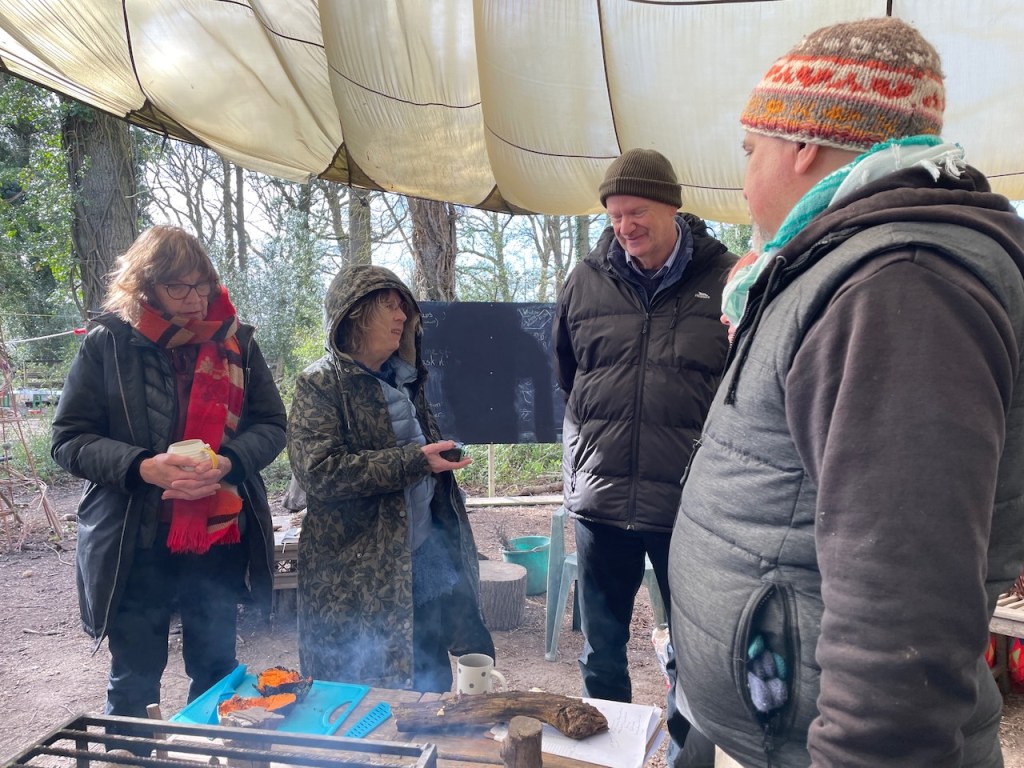
It was cold, so we got up and moved, and rubbed each others backs (yum) before we invited Andrew to give his prepared talk. Later he observed in the closing circle. Never prepare a talk for Kinda Forest School!
He began with his own background. Bought up in the greenfields of outer London by his father a market gardener, who eventually moved from a generalist to a specialised in chrysanthemums and lettuces. After a few year working with Beyer a huge multi national he now works for a Dutch Seed comapny.
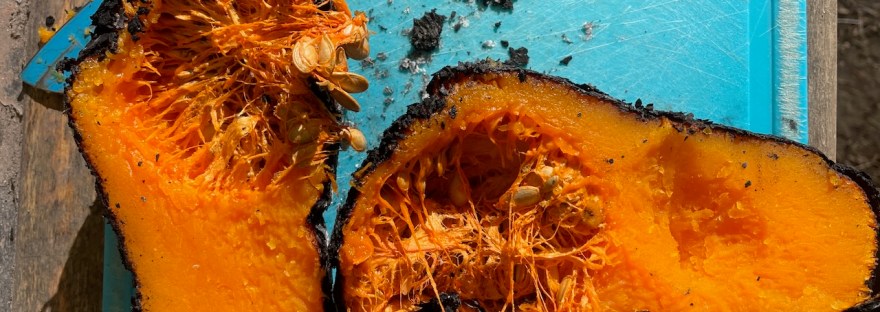
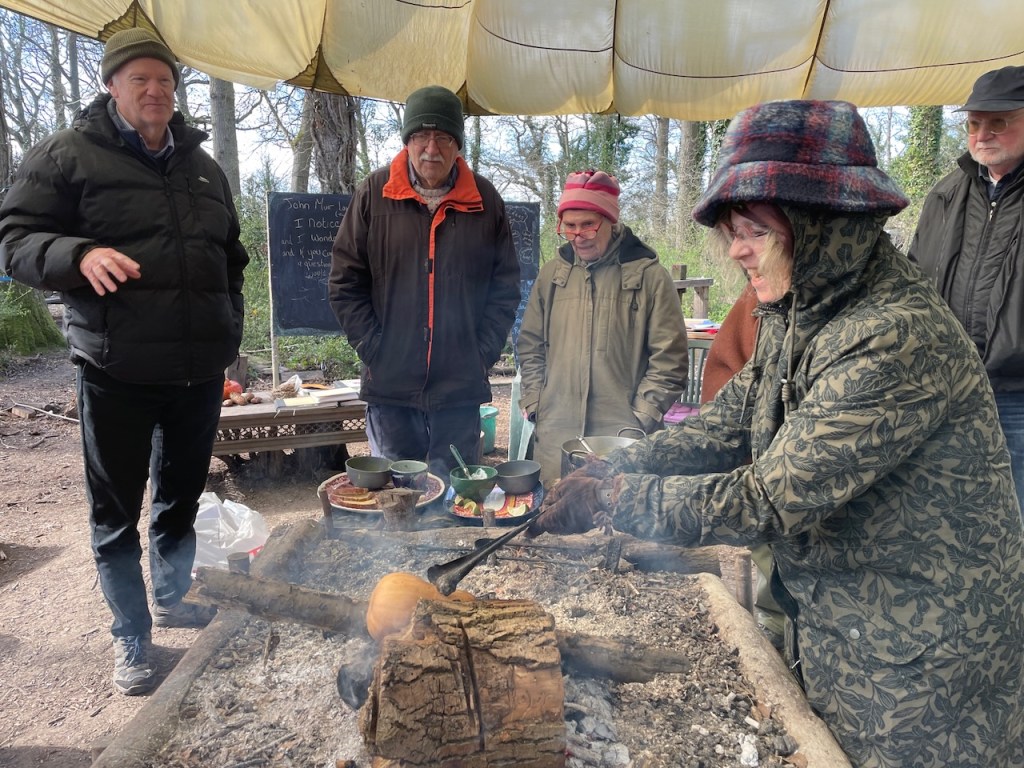
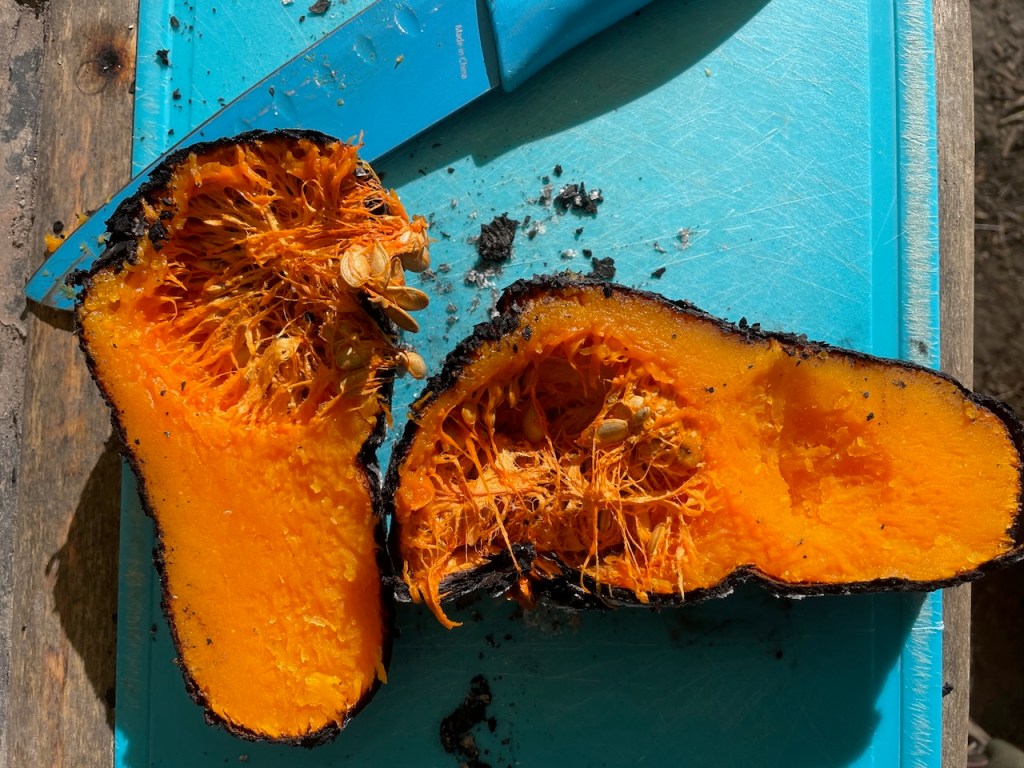
Turns out that not only Butternut squash is an immigrant but all squash come from another land, mainly South America. (Squash (genus Cucurbita) originated in the Americas, with the earliest domestication occurring in Mexico around 8,000–10,000 years ago.) But we should welcome all these immigrants and not turn our noses up at Butternut which has a huge shelf life. Rose-Anne told of us of one she kept in france in a box of straw for over a year. So as if honour the butternut, Andrew placed the one he held on to the fire, and we watched it cook.
We meandered on why we could not save our seeds and Virginia gave us an excellent example. She saved the seed of a delicious squash she’d eaten. Planted it, watered it, watched it grow. It turned out to be grey, long and bitter. All seeds now are F1 hybrids. the next generation is F2 which is the most exciting for seed developers. Are we F1’s or melanges?
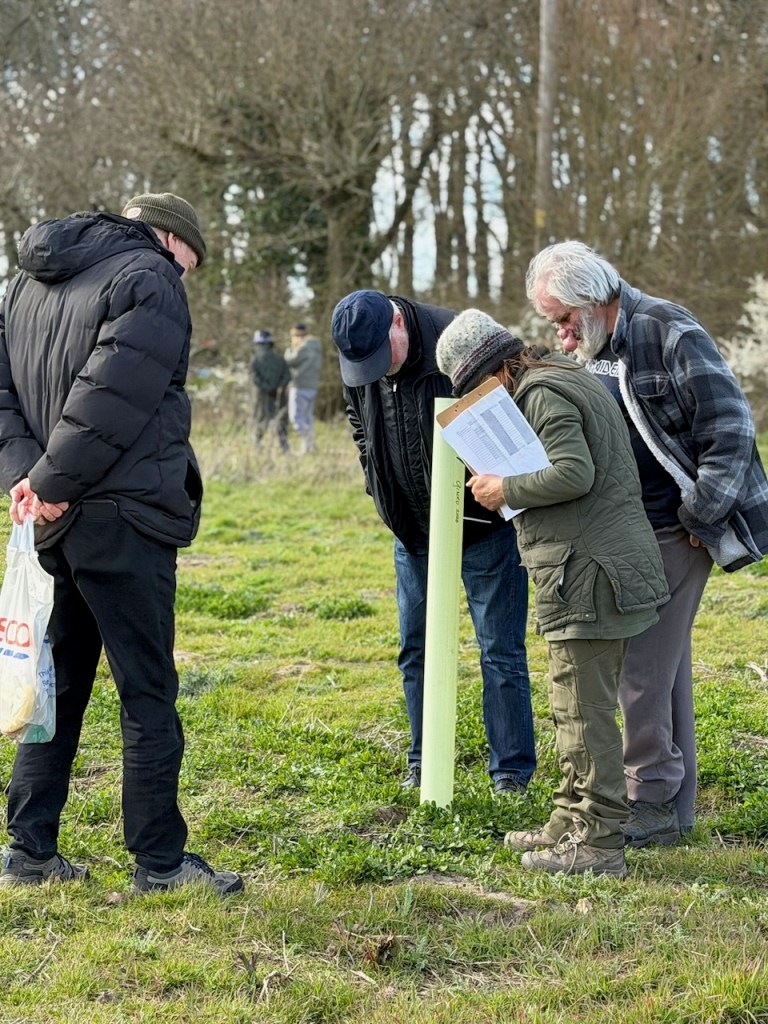
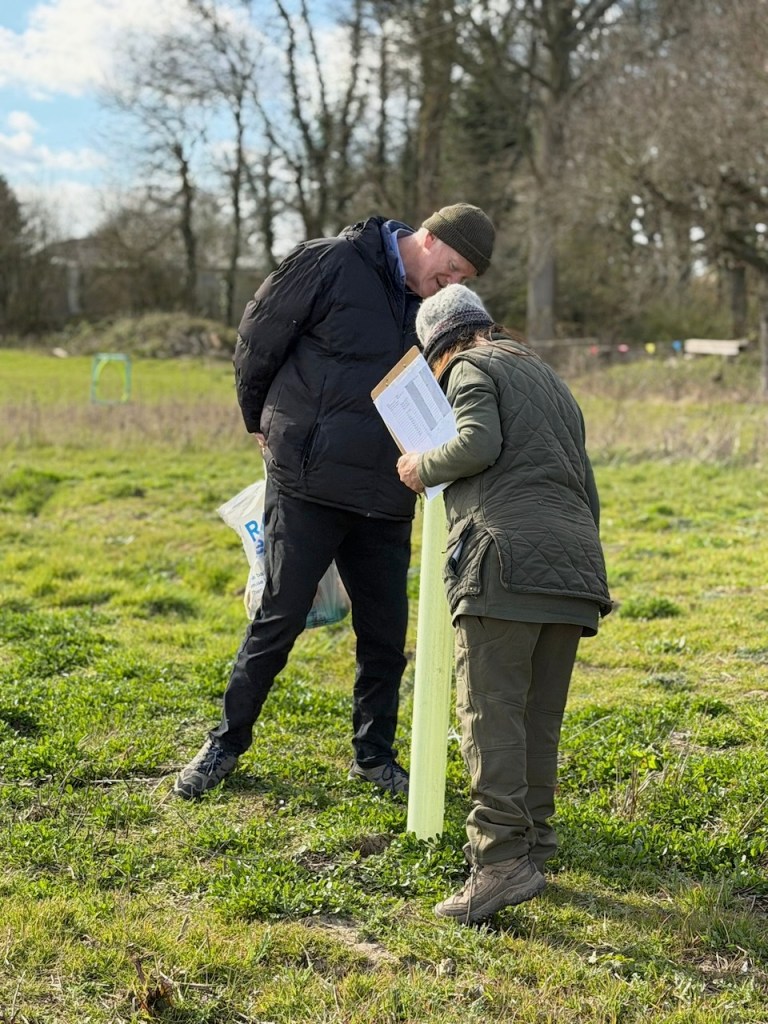
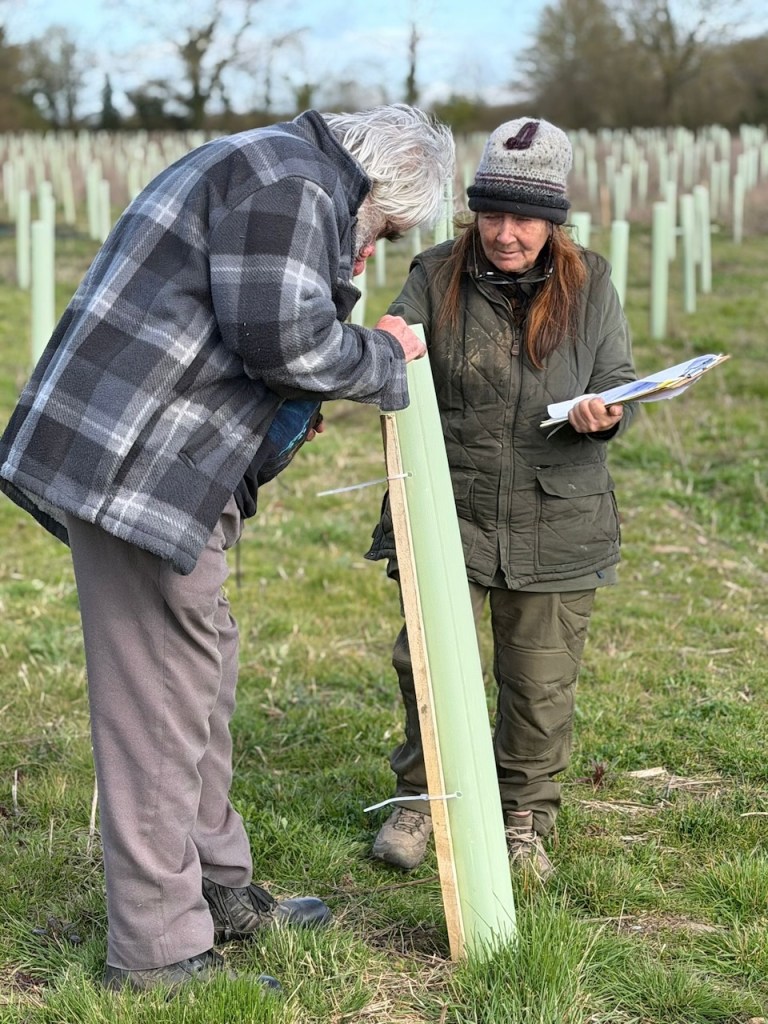
We needed to move, and so came out to the sun, to measure the trees we had first measured in March last year, when they were planted. Only one tree had exceeded our last measurement in June last year. Lots of looking down tubes.
| Date | Detail | March | March increase | April | April increase | May | May increase | June | June increase | 2026 March | Increase/Decrease | |
| Feb 25 | BPoplar Female 23 a | 16 | 21 | 5 | 20 | -1 | 20 | 0 | 17 | -3 | ||
| Feb 25 | BPoplar Female 23 b | 18 | 20 | 2 | 23 | 3 | 25 | 2 | 28 | 3 | ||
| Feb 25 | BPoplar Male 23 a | 21 | 21 | 0 | 26 | 5 | 27 | 1 | 21 | -6 | ||
| Feb 25 | BPoplar Male 23b / 77M | 24 | dead | 0 | dead | 12 | 0 | |||||
| Feb 26 | 27 | 0 | ||||||||||
| Feb 25 | Pride of India | 36 | 39 | 3 | 44 | 5 | 43 | -1 | 41 | -2 | ||
| Feb 25 | Lime | 51 | 51 | 0 | 52 | 1 | 53 | 1 | 57 | 4 | ||
| Feb 25 | Ginko | — | — | |||||||||
| Feb 25 | Walnut 1 | 51 | 51 | 0 | 52 | 1 | 55 | 3 | 52 | -3 | ||
| Feb 25 | Walnut 2 | 18 | 18 | 0 | 19 | 1 | 20 | 1 | 19 | -1 | ||
| Feb 25 | Walnut 3 | 18 | 19 | 1 | 14 | -5 | 16 | 2 | 11 | -5 | ||
| Feb 25 | Walnut 4 | 40 | 44 | 4 | 50 | 6 | 49 | -1 | 47 | -2 | ||
| Feb 25 | Walnut 5 | 32 | 35 | 3 | 51 | 16 | 52 | 1 | 48 | -4 | ||
| Feb 25 | Walnut 6 | 28 | 30 | 2 | 37 | 7 | 38 | 1 | 34 | -4 | ||
| Feb 25 | Walnut 7 | 0 | 37 | 0 |
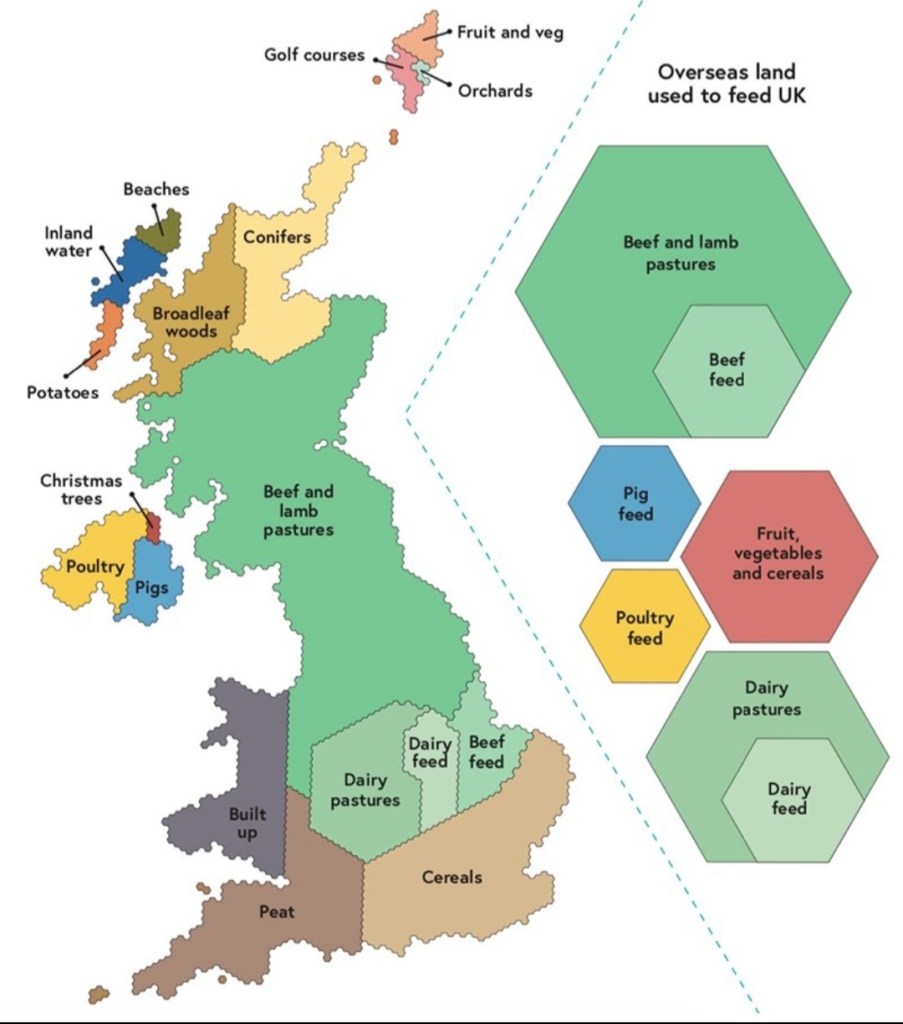
We spoke of the change in agriculture practice, in the UK, and later Andrew sent this map illustrating his change of view and how important it is for us to change our diet to more pulses and less meat. If we ate only pulses and vegetables for our protein, we would need only 20% of our land for growing. As most of our food goes to feeding animals, we currently need 80% of our land for food production.
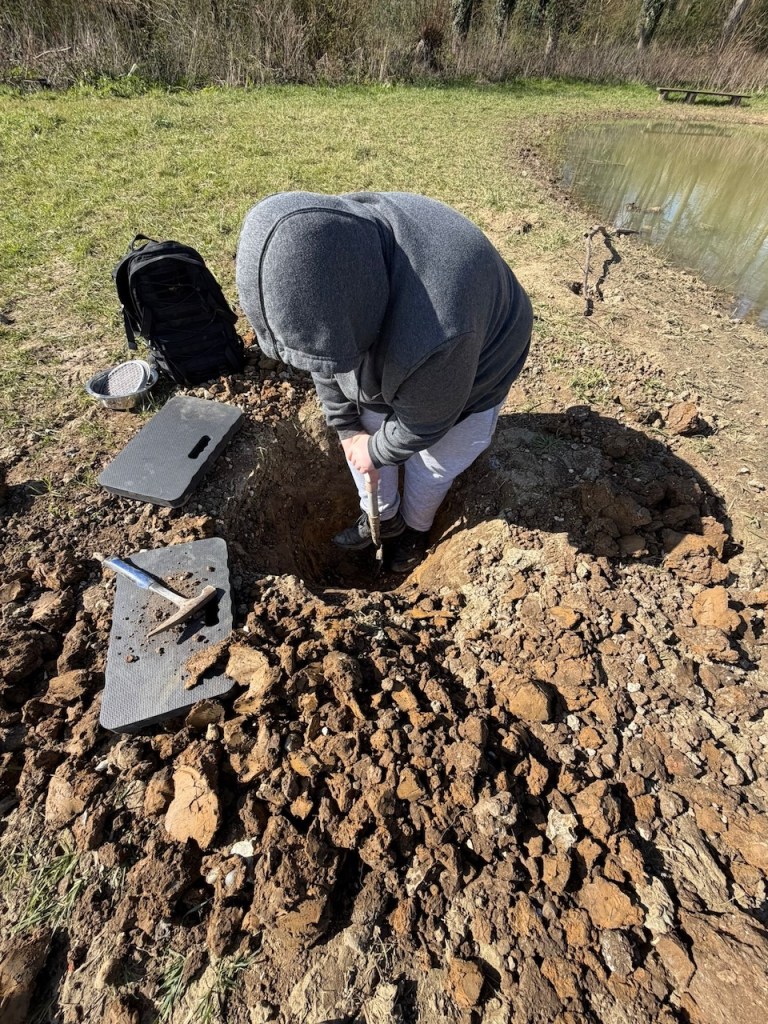
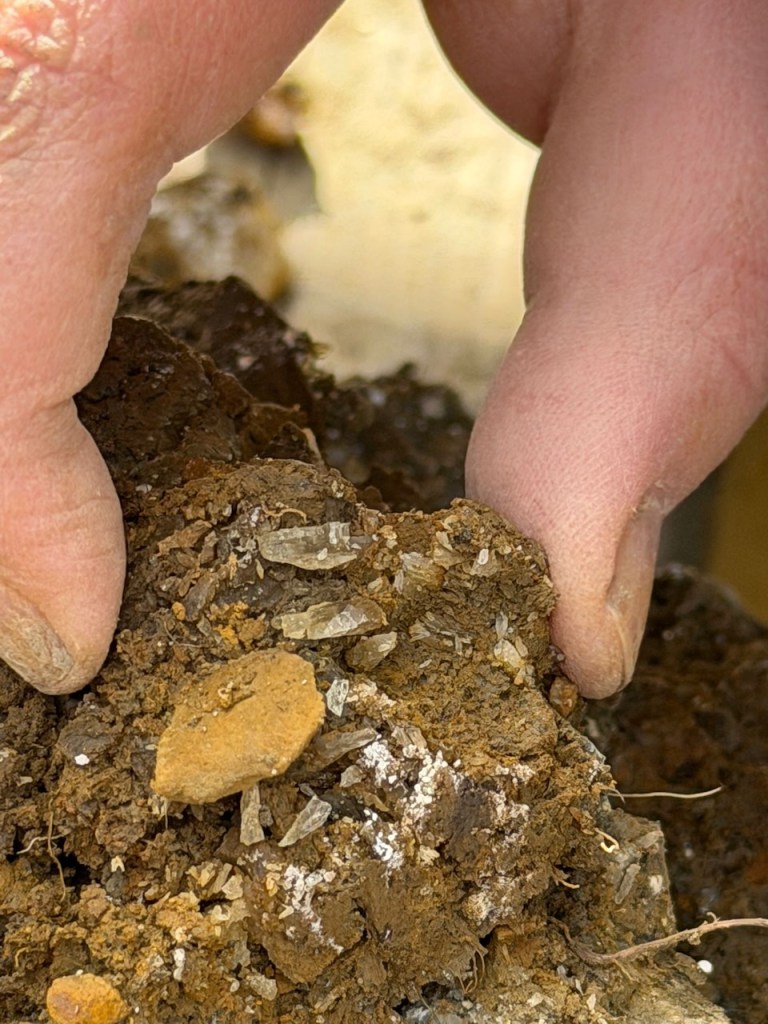
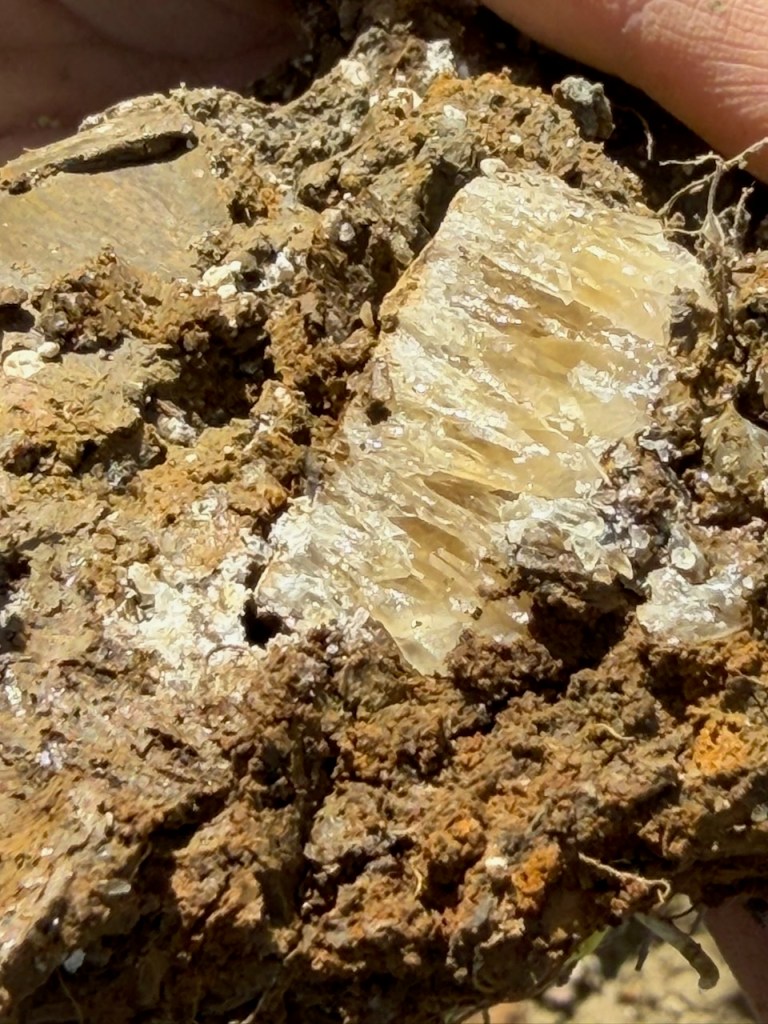
Meanwhile Greg found a seam of crystals. He’d dug down nearly a meter. (helped by Gina) to find this geology. Virginia found a part which looked like it was growing a crystal.
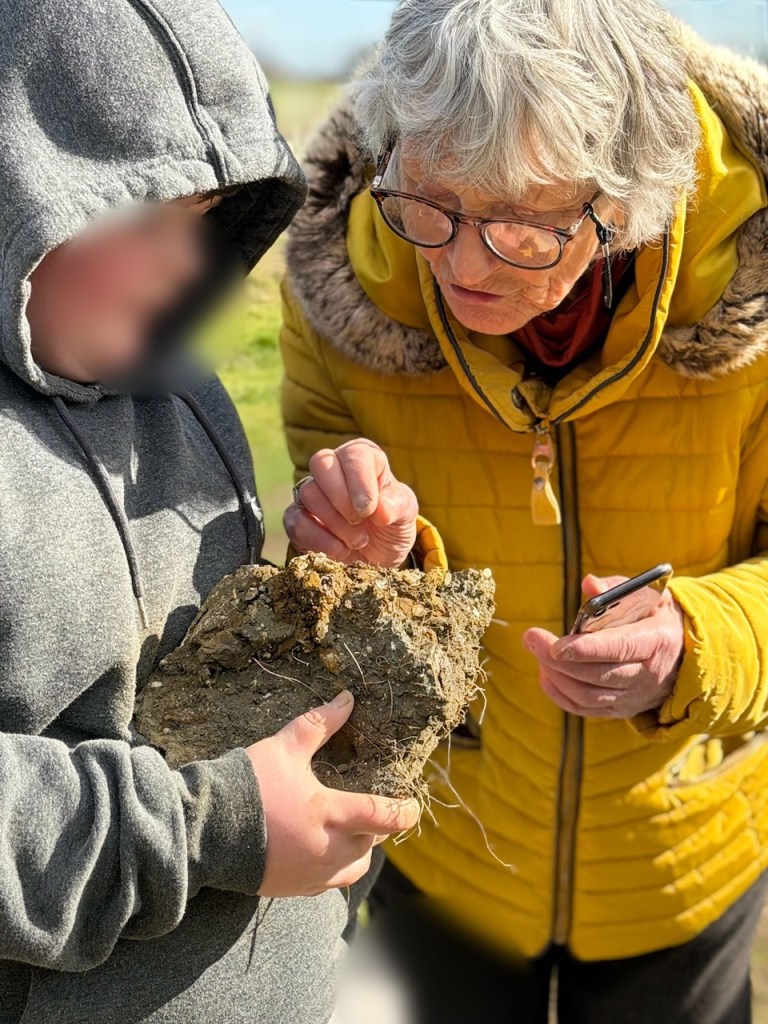
It was a cold but inspiring day. We welcomed Lou-Rain and Jago. And Emily came at the end.
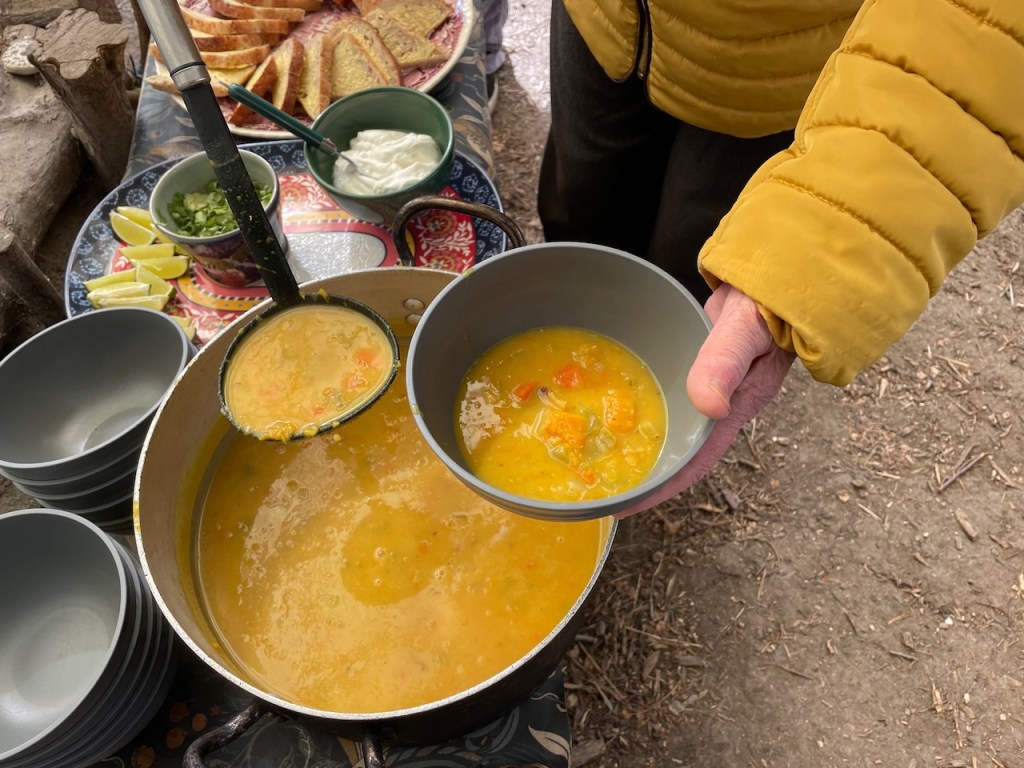
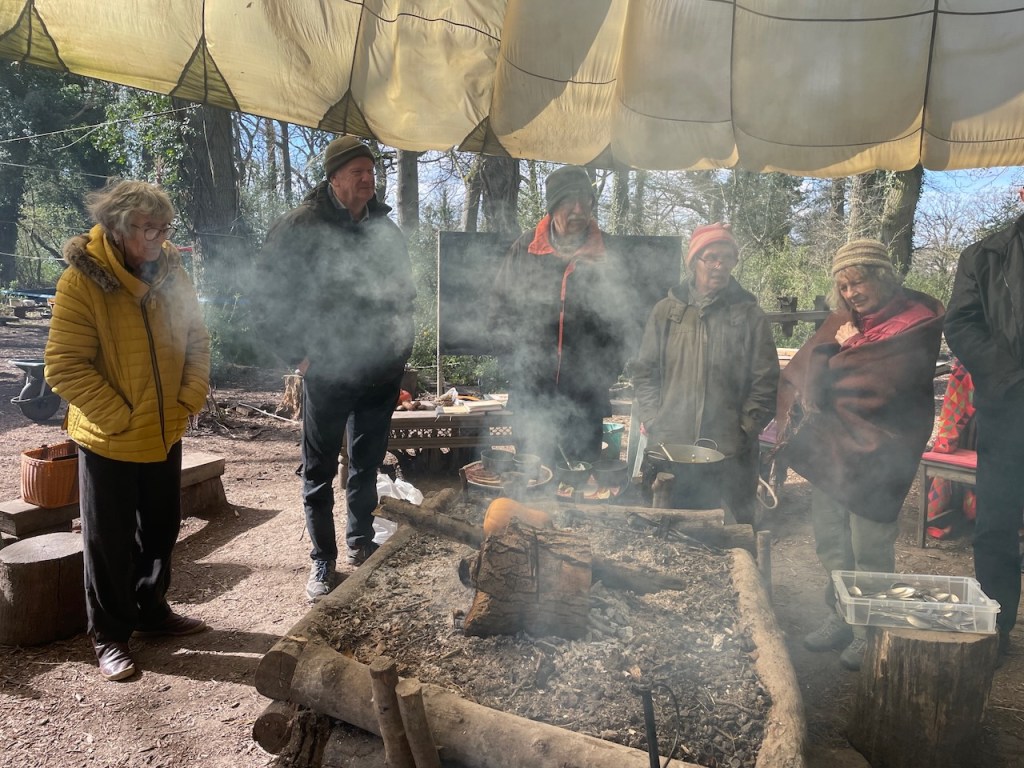
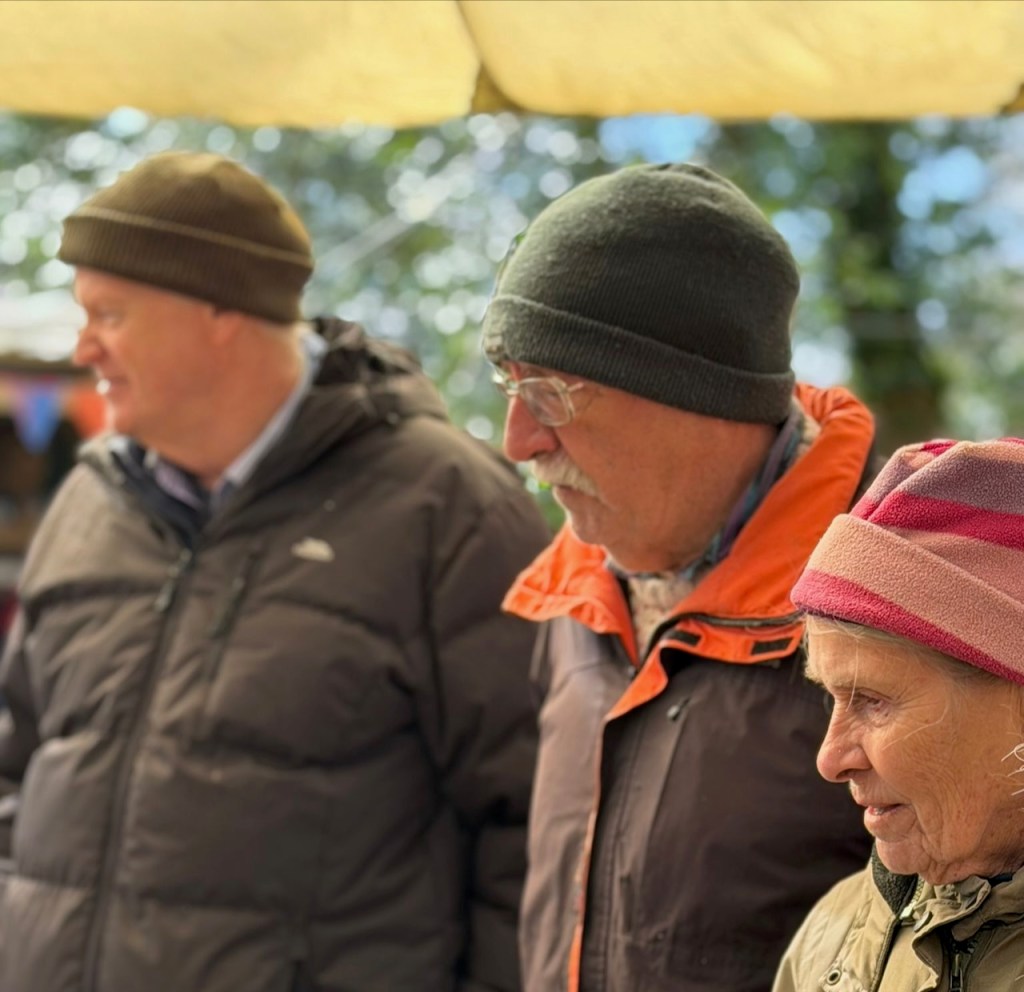
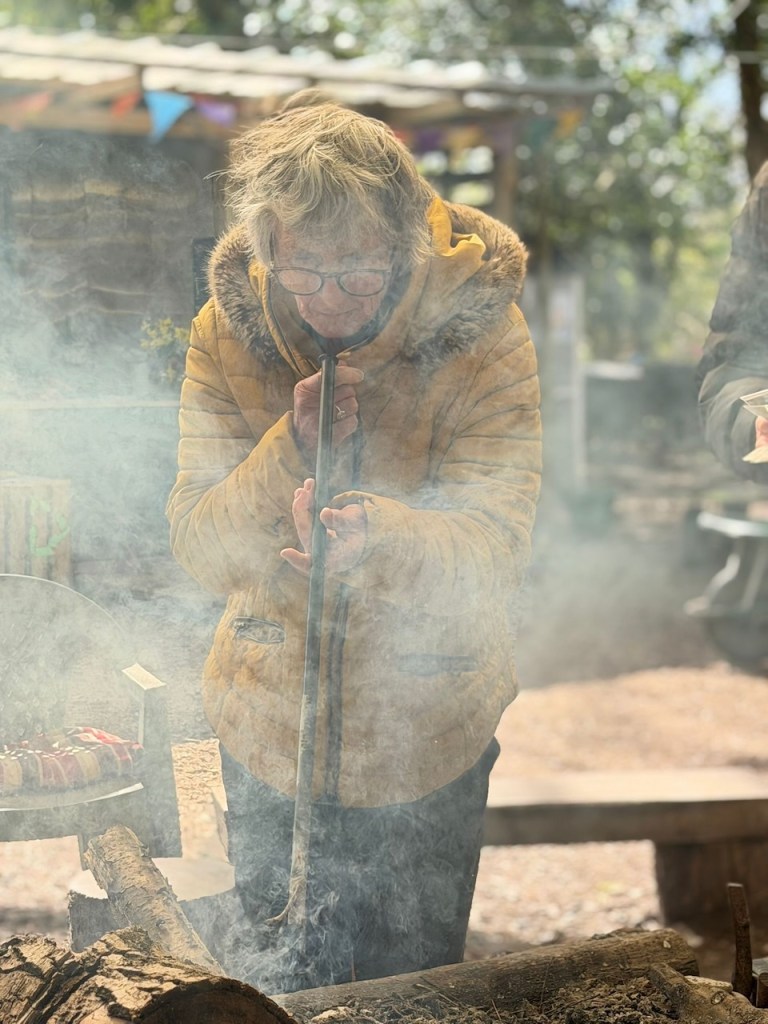
 Kinda Elders in the woods
If you can grow tumeric, I shall definitely have to visit xoxo
LikeLike